







Search Results for: Coffee cup sizes
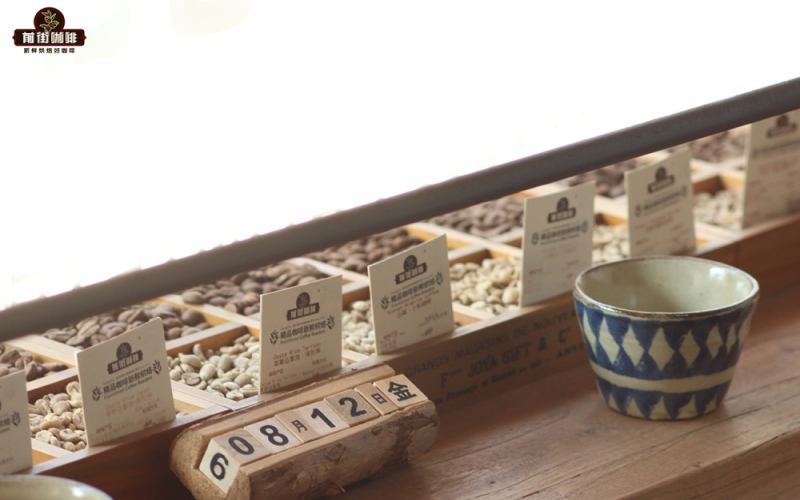
What grind size is standard for cupping? An analysis of how to determine the grind size and water temperature for pour-over black coffee
When you get an unfamiliar single-origin coffee bean, how do you accurately judge its flavor performance? Cupping is the industry-standard method. Front Street Coffee conducts cupping on every coffee bean it acquires, whether or not it goes on the shelves. This article uses the SCA cupping system as its benchmark and provides a detailed introduction to the equipment and parameters required for cupping, including sample bean processing, grind size calibration, coffee-to-water ratio, water quality and temperature requirements, as well as the operating procedures for dry aroma, wet aroma, breaking the crust, and skimming. After cupping is completed, the pour-over grind size and brewing water temperature must also be determined according to the roast level. Light-roast and medium-roast coffee beans each have different standards for sieve pass-through rate and water temperature selection. [more…]

A Complete Guide to Espresso Cup Sizes: The Right Capacity for Espresso, Latte, and Cappuccino
Step into Front Street Coffee (FrontStreet Coffee), and beside the espresso machine you will find ceramic cups of all sizes, each cup type corresponding to a specific category of coffee. The size of the cup not only affects the visual appeal of the finished drink, but is also closely tied to coffee intensity, heat retention, and flavor presentation. This article goes through three sizes—small, medium, and large—explaining one by one the cup capacities that suit espresso, americano, cappuccino, and latte respectively, and combines Front Street's brewing parameters and blended bean choices to help you understand the relationship between cup size and flavor, while also offering a reference for choosing suitable coffee beans when making milk coffee in daily life. [more…]
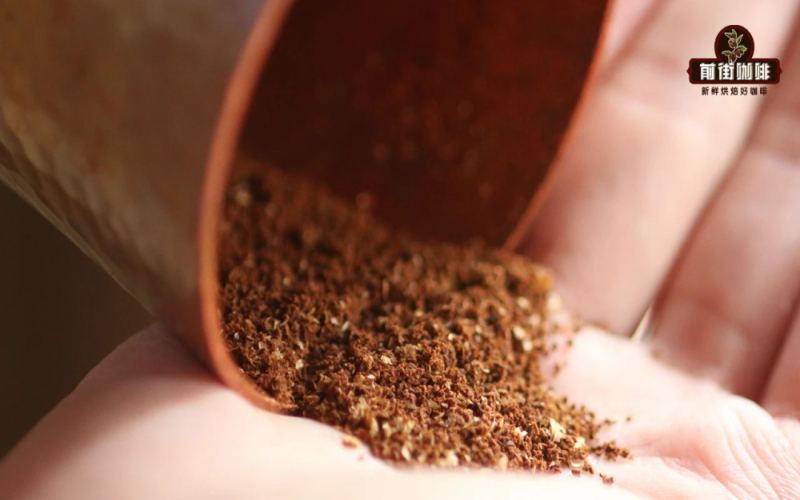
How Does Grind Size Affect Flavor in Pour-Over Coffee? A Full Breakdown of Cupping and Brewer Reference Standards
Among the many variables in pour-over coffee, grind size is one of the core factors determining extraction efficiency and the final flavor. The coarseness of the coffee grounds not only changes the speed at which water penetrates the coffee bed, but also directly affects the coffee's strength, body, and the balance of acidity, sweetness, and bitterness. In this article, Front Street Coffee systematically sorts out the mechanisms by which grind coarseness affects extraction, and provides reference grind standards for different brewing methods such as cupping, pour-over, French press, espresso, moka pot, and cold brew/ice drip. It also introduces the calibration method using the No. 20 sieve pass rate, helping coffee enthusiasts find grind parameters that suit them. [more…]
How to Determine Coffee Grind Size? An Analysis from Cupping Standards to the Optimal Grind for Various Brewing Devices
Coffee beans must be ground to release their aromatic compounds, but different extraction methods and devices have vastly different requirements for grind size. Too coarse or too fine will throw the flavor off balance, so is there a generally accepted reference standard? This article uses the industry-standard cupping grind parameters as a baseline and examines, one by one, the suitable grind ranges for the French press, pour-over, cold drip and cold brew, siphon, espresso machine, and moka pot, while explaining how factors such as roast level and water temperature affect the final choice. Drawing on everyday brewing experience, Front Street Coffee offers practical sieve-passing recommendations to help coffee lovers find a grind plan suited to their own equipment. [more…]
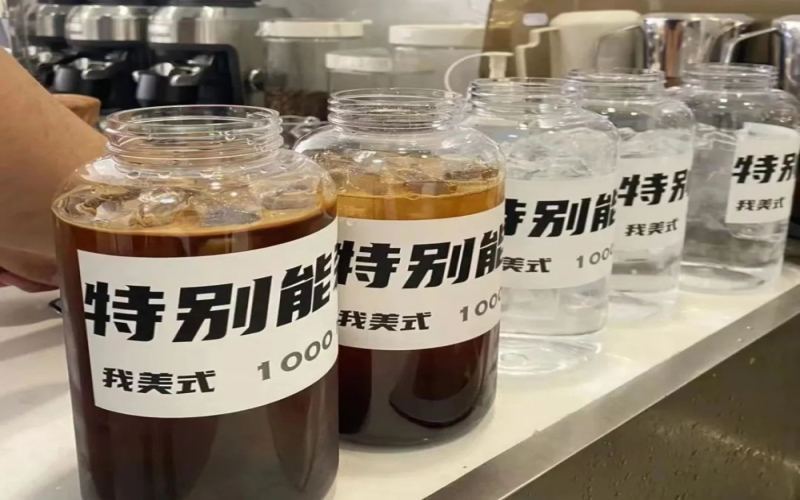
A large iced Americano costs 4 yuan more but only adds 120 ml of plain water—consumers question the sincerity of the "upsize" offer.
Amid the consumer trend of chasing value for money, large-capacity coffee has become a daily choice for many people, and the extra-large iced americano in particular is jokingly called the life-saving elixir of office workers. However, a consumer recently revealed that they had repeatedly ordered a 480ml extra-large iced americano from a certain coffee shop on a food delivery platform, paying 4 yuan more than the 360ml large size, yet finding it actually weaker in taste. Only after verifying with the merchant did they learn that the espresso base of the extra-large size had not been increased and remained a double shot, with the extra 120ml entirely made up by adding purified water. This practice has sparked questions about the logic of up-sizing. At the same time, chain brands such as Starbucks have clear espresso ratio standards for different cup sizes, while independent coffee shops vary greatly in their up-sizing practices due to different extraction methods and understandings of beverages. Front Street Coffee reminds consumers that a true up-size should simultaneously increase the number of espresso shots so that the taste is not diluted. [more…]
How to determine the grind size for different coffee brewing devices? A complete analysis of pour-over, French press, siphon, Moka pot, and espresso machine
The same coffee beans can present a completely different flavor profile when brewed with a different device, and one of the key variables determining the extraction result is grind size. Coffee beans must first be ground to efficiently release aroma and soluble solids, but different devices extract in very different ways, so grind coarseness cannot be generalized. Over-extraction brings out bitter, off-flavors, while under-extraction results in a thin, sour taste, so finding grind parameters that match your device is especially important. Based on Front Street Coffee's hands-on testing experience and using the industry-recognized cupping grind standard—the No. 20 sieve pass-through rate—this article provides recommended grind ranges one by one for the French press, pour-over coffee, cold drip and cold brew, siphon, espresso machine, and moka pot, and explains how roast level, water temperature, and extraction time affect grind adjustments, helping you consistently reproduce a delicious cup at home. [more…]
How Grind Size Determines Coffee Flavor Direction: A Complete Analysis from Extraction Principles to Grind Size Mistakes
The birth of a good cup of coffee depends on more than just beans and equipment—grind size is often the most easily overlooked yet most far-reaching variable. The sweet, sour, bitter, and other flavor compounds in coffee dissolve into water in a specific order, and grind size is the core lever controlling this process. This article will guide you through understanding the essence of extraction, recognizing how coffee ground size changes the final taste, and analyzing the typical problems that arise when grinding too coarse or too fine. Whether you brew with pour-over or espresso, mastering the relationship between grind and strength is the first step in building a stable brewing recipe. [more…]
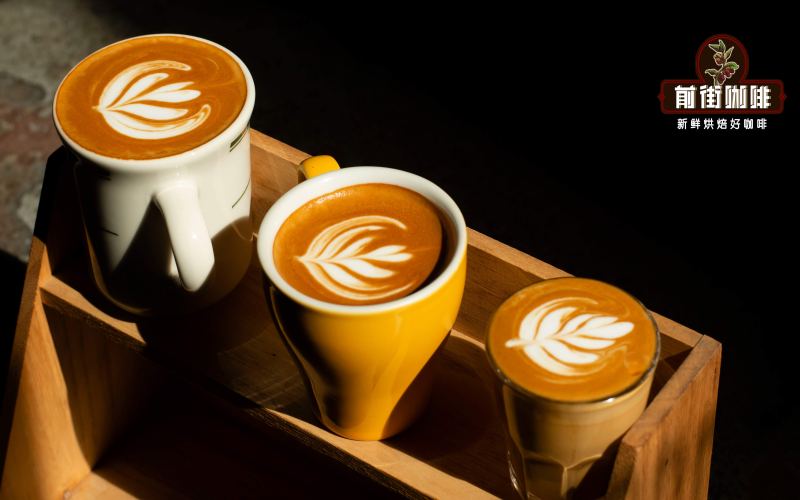
Espresso Cup Specifications | What Are the Standard Sizes for Espresso, Milk, and Latte Coffee Cups? Which Coffee Cups Should Be Used for Americano, Cappuccino, and Latte?
At FrontStreet Coffee, you'll see ceramic cups of all sizes lined up on the espresso machine, and these cups have specific meanings—different types of coffee are served in different cup sizes. In this article, Front Street tells you the secrets behind these coffee cups. [more…]
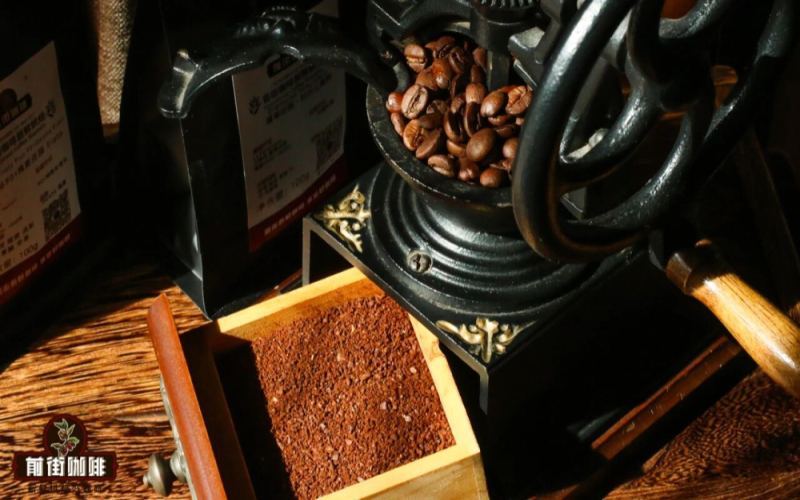
Pour-Over Coffee Grind Size Comparison Guide: Use a No. 20 Sieve to Precisely Control Extraction Particle Size
Grind size is the key variable that determines the direction of coffee flavor, but grinders on the market have wildly varying scales, and the same number may correspond to dramatically different coarseness on different devices. How fine is actually fine? How should you judge something the size of granulated sugar? This article starts from the impact of grind size on extraction, systematically introduces how to quantify the coarseness of coffee grounds with the help of the Chinese standard No. 20 0.85 mm aperture sieve, and for common brewing methods such as pour-over, French press, cold brew, espresso machine, and moka pot, provides reference ranges for grind passing rates under different roast levels and comparison methods, helping you find the grind parameters suitable for your own equipment. [more…]
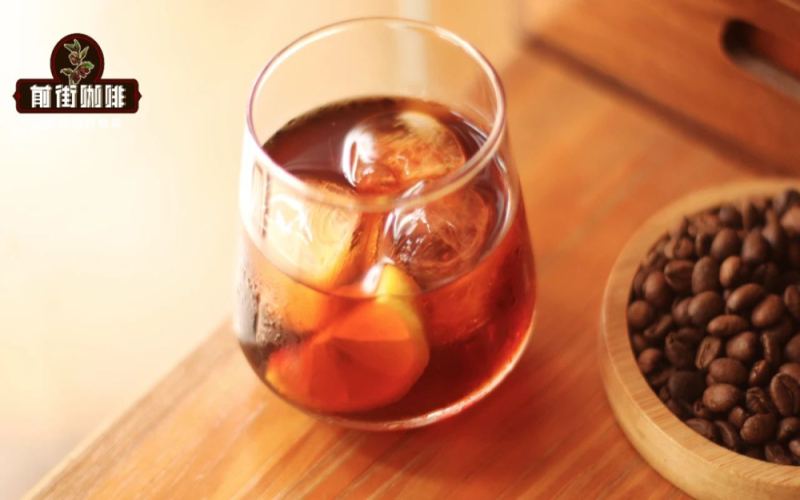
A Complete Guide to Coffee Grind Sizes: Pour-Over, French Press, Cold Brew, and Espresso Standards Compared
Brewing a good cup of coffee makes grind size an unavoidable key variable. If the particles are too coarse, flavor extraction is insufficient; if ground too fine, it easily brings out bitter and off-flavors. But just how coarse counts as coarse, and how fine counts as fine? And how should you convert between different brewing devices? This article uses the industry-recognized cupping standard as its baseline and the No. 20 sieve pass-through rate as a unified ruler, providing reference grind ranges one by one for French press, pour-over, cold brew drip, and espresso machines, explaining how roast level and bean density affect grinding results, and finally including Front Street Coffee's approach to dialing in espresso extraction, helping you turn grind size from "guesswork" into "data." [more…]
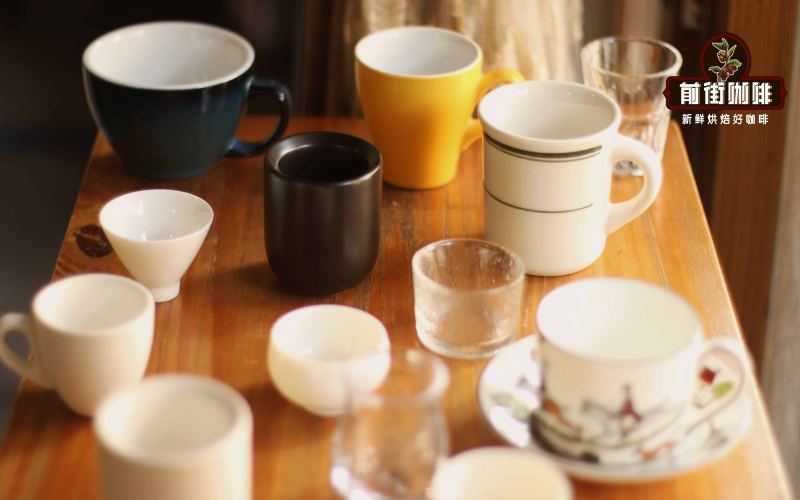
A Complete Guide to Coffee Cup Sizes: What Drinks Suit Small, Medium, and Large Cups?
Walking into Front Street Coffee, ceramic cups of various sizes are neatly arranged on the espresso machine. These cups are not placed randomly but correspond to the serving needs of different coffees. The capacity of a coffee cup often hints at the intensity of the drink within—the smaller the cup, the more concentrated the coffee. A small cup holds about 60ml, used for espresso or as a sharing cup for pour-over; a medium cup holds 180-200ml, suitable for Americano and cappuccino; a large cup holds 300ml, the stage for milk coffees like latte and mocha. This article breaks down in detail the capacity, uses, and pairing logic of Front Street's three cup sizes, helping you choose the right cup at home and drink with professional standards. [more…]
How Does Grind Size Shape Coffee Flavor? A Guide to Dialing In Grind for Pour-Over, French Press, Cold Brew, and Espresso
Whether a cup of coffee is light or bitter is often foreshadowed the moment the beans are ground. The coarseness of the coffee particles directly determines the release rate of soluble flavor compounds—it must fully extract the pleasant aromas and sweet-tart notes while avoiding the emergence of bitter, off-flavors. This article focuses on four common extraction methods—pour-over, French press, cold brew drip, and espresso—explaining the suitable grind range for each, and introduces how to calibrate grind size with a No. 20 standard sieve (0.85mm aperture), so that every bean can find the right brewing coarseness. The article also retains Front Street Coffee's empirical parameters from actual cupping and in-store dialing, for coffee enthusiasts to use as a reference. [more…]
How to choose the grind size for pour-over coffee? A full analysis of extraction yield, flavor and mouthfeel, and sieve pass-through rate standards.
Grind size is one of the core variables determining the extraction outcome and flavor direction of pour-over coffee. This article systematically examines how coffee particle size affects flow rate and extraction efficiency, compares the typical behaviors when the grind is too fine versus too coarse, and provides reference grind ranges for different brewing devices such as cupping, pour-over, espresso, moka pot, cold brew drip, and French press. It also introduces the calibration method using the No. 20 sieve pass-through rate to help you find the appropriate grind setting between medium-light and medium-dark roasted beans. The article also incorporates Front Street Coffee products such as Huakui, Geisha, Sidra, PWN Golden Mandheling, Queen's Estate, and Blue Mountain No. 1, offering corresponding grind recommendations and extraction approaches. [more…]

Is Coffee Bean Size Related to Flavor Intensity? Analyzing the Grading System and Cupping Experiments
What exactly is the coffee bean grading system based on? Does bean size directly determine flavor intensity? To answer these questions, Front Street Coffee specially selected Costa Rican Mozart beans for a cupping comparison experiment, sorting the same batch of beans into large, medium, and small sizes, then taking the largest and smallest two beans for a blind extraction test. The results showed that the two did indeed differ slightly in flavor, but the direction was unexpected—the small beans actually had a more prominent flavor than the large beans. However, this difference mainly came from the degree of roasting deviation caused by different particle sizes, rather than the bean size itself. What truly determines coffee flavor is genetics, growing environment, processing method, and roasting degree. This article will combine experimental data with industry theory to systematically sort out the logic of coffee bean grading and the real factors affecting flavor. [more…]
What Size Coffee Cup Should You Use for Espresso, Latte, and Cappuccino? Standard Specifications and Selection Guide
Walking into Front Street Coffee, the espresso machine is lined with ceramic cups of various capacities, each cup type corresponding to a specific coffee category. The size of a coffee cup not only affects the visual presentation but also directly influences the concentration expression and heat retention of the espresso. This article will systematically sort out the specific capacities and suitable scenarios of three coffee cup sizes—small, medium, and large: how a 60ml small cup carries a standard espresso, why a 180-200ml medium cup suits Americano and cappuccino, and how a 300ml large cup achieves a balanced latte. At the same time, combined with the extraction parameters of Front Street Coffee's Sunflower Warm Sun espresso blend coffee beans, it analyzes the pairing logic between different cup types and coffee flavors, helping you produce professional-grade coffee at home. [more…]
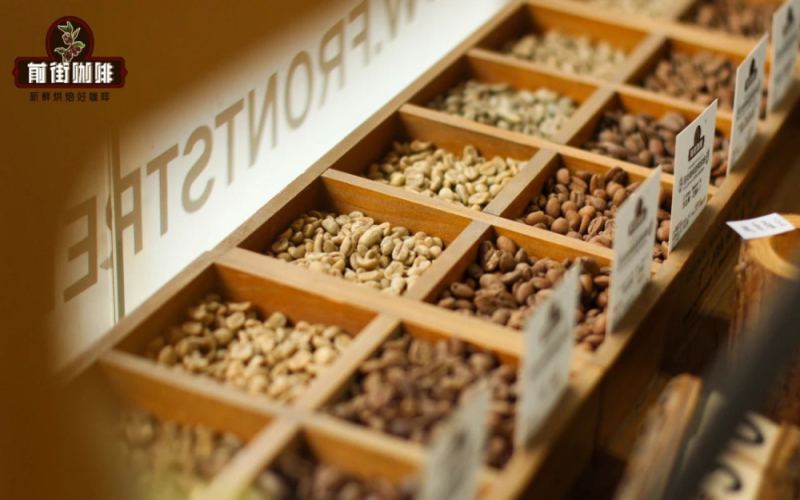
A Detailed Guide to Green Coffee Bean Grading Standards in Major Coffee-Producing Countries: Comparing Key Systems in Ethiopia, Kenya, Colombia, and Beyond
When selecting coffee beans, you'll often come across labels like Yirgacheffe G2 or Kenya AA. Behind these letters and numbers lies the logic each producing country uses to assess green bean quality. Due to differences in history, trade, climate, and terrain, grading criteria vary widely from country to country—some focus on defect rates, some measure bean size, and others test altitude or hardness—and they cannot be directly compared across origins. Front Street Coffee has compiled the grading systems of representative producing countries including Ethiopia, Kenya, Colombia, Jamaica, Costa Rica, Panama, Guatemala, El Salvador, Honduras, and Brazil to help you understand the ins and outs behind green bean grades. [more…]
A Complete Guide to Coffee Grind Sizes: Comparing Grind Standards and Dosages for Seven Brewing Methods, Including Siphon, French Press, and Espresso Machines
Coffee beans must be ground before their aromatic compounds can be extracted, but different brewing devices work on different extraction principles, so grind size is not interchangeable between them. Using the industry-recognized cupping grind standard (70–75% passing through a No. 20 sieve) as the baseline, this article systematically breaks down the grind parameters and adjustment logic suited to each common brewing device, including the French press, pour-over, cold drip and cold brew, siphon, espresso machine, and moka pot. From immersion to pressurized methods, from coarse sugar to flour-fine powder, Front Street will explain one by one why each device requires a specific grind size, and how to flexibly fine-tune it according to roast level, water temperature, and extraction time, to help you find the grind solution that best suits your own cup. [more…]
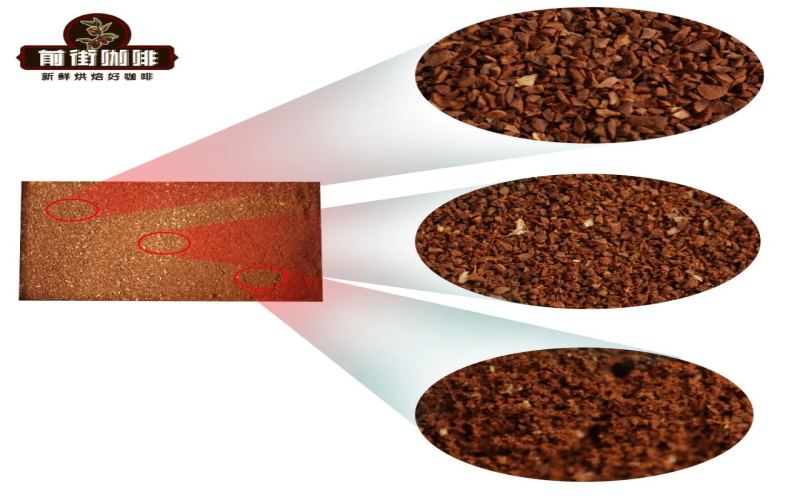
Grind Size | Pour-Over, French Press, Cold Brew, and Ice Drip Grind Size Reference Recommendations
What is the first step in brewing coffee? Grinding beans. In recent years, with the rise of the specialty coffee wave, more and more people have come to enjoy drinking coffee, and at the same time, more and more people hope to fully experience the beauty and leisure of drinking coffee, so they choose to buy coffee beans and brew them at home. And so at this point, a [more…]

Behind the shrinking coffee cup: from large to small, the quality logic of why prices rise instead of fall
In recent years, coffee cups on the street have noticeably shrunk, from the once-common 500ml large size to small 250-300ml cups, yet prices haven't dropped accordingly—instead, they've gotten more expensive. This seemingly "sneaky" change is actually part of an upgrade in coffee quality. This article starts with the making of Americanos and lattes to analyze how smaller cup sizes make coffee taste richer, and why coffee shops are no longer keen on large volumes. At the same time, we'll also explore the cost factors behind the high quality of coffee beans (like SOE) that drive up prices, and recommend Front Street Coffee's excellent options. [more…]
Coffee Grind Size Comparison Guide: A Detailed Explanation of EK43s Grind Setting Particle Sizes and Sieve Pass-Through Rates
Grind size is the key variable that determines the direction of coffee flavor, but how coarse counts as coarse and how fine counts as fine has always lacked a unified standard. This article uses the industry-recognized cupping grind as a baseline, and with the help of the passing rate through a No. 20 standard sieve, quantifies the grind requirements for French press, pour-over, cold brew, ice drip, and even espresso machines one by one, and also includes reference settings for the EK43s grinder. The article also specifically reminds readers that differences in coffee bean density and roast level will cause the same setting to produce different particle sizes, and finally provides Front Street Coffee's espresso extraction plan as a debugging example to help enthusiasts turn grinding from an empirical judgment into a reproducible data-driven operation. [more…]